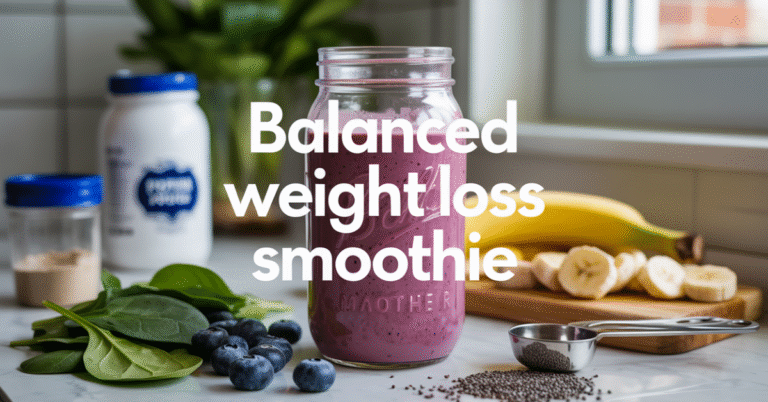
How to Create a Balanced Smoothie for Weight Loss
Creating weight loss smoothie recipes that actually work comes down to getting your macronutrients
right. If you’re tired of smoothies that leave you hungry an hour later or wondering why your breakfast
smoothie isn’t helping you lose weight, you need a better approach.
This guide is for busy people who want to make healthy smoothie ingredients work for their weight loss
goals. You don’t need complicated formulas or expensive powders – just smart choices that keep you
satisfied and energized.
We’ll show you how to nail the essential macronutrient balance that makes smoothies effective for weight
loss. You’ll discover protein smoothies weight loss strategies that actually fill you up, plus learn which
metabolism boosting smoothies ingredients can give your results a real boost.
By the end, you’ll know exactly how to build low calorie smoothie recipes that taste great and support
your goals, whether you’re making a quick weight loss breakfast smoothie or planning a full smoothie
diet plan around green smoothie weight loss principles.
Interested in trying the Smoothie Diet?
Join our FREE 5-Day Smoothie Challenge — 5 days with 5 delicious recipes, real results.
Essential Macronutrient Balance for Weight Loss
Success
Optimal protein ratios to boost metabolism
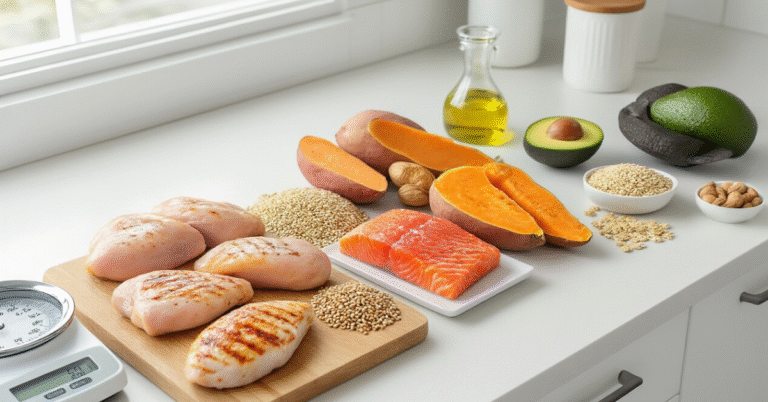
Your protein intake can make or break your weight loss journey, and getting the ratio right in your
balanced smoothie for weight loss is crucial. Aim for 20-30 grams of protein per smoothie, which typically
represents about 25-30% of your total smoothie calories. This amount triggers your body’s thermic effect,
burning more calories during digestion while keeping you satisfied for hours.
When you consume adequate protein in your metabolism boosting smoothies, you’re essentially turning
your body into a fat-burning machine. Protein requires significantly more energy to process than carbs or
fats – about 30% of protein calories get burned just through digestion. That means a 100-calorie protein
serving only nets you about 70 usable calories.
Your daily protein needs vary based on your weight and activity level, but most people benefit from
0.8-1.2 grams per pound of body weight. Spreading this across your meals, including protein smoothies
weight loss options, helps maintain steady blood sugar and prevents muscle loss during weight
reduction.
Smart carbohydrate choices that fuel without storing fat
Carbohydrates aren’t your enemy – choosing the wrong types at the wrong times is. Your smoothie
should contain 15-25 grams of smart carbs, primarily from whole fruits and vegetables. These healthy
smoothie ingredients provide essential vitamins while keeping your blood sugar stable.
Focus on low-glycemic fruits like berries, which won’t spike your insulin levels. Blueberries, strawberries,
and raspberries pack antioxidants while delivering natural sweetness without the crash. Green leafy
vegetables like spinach or kale add virtually no calories but boost your smoothie’s nutrient density
significantly.
Avoid adding honey, agave, or dates if your primary goal is weight loss. The natural sugars in whole
fruits provide enough sweetness while delivering fiber that slows absorption. If you need extra
sweetness, try stevia or monk fruit instead.
| Smart Carb Sources | Carbs per Cup | Benefits |
|---|---|---|
| Spinach | 1g | Iron, folate, virtually no calories |
| Blueberries | 21g | Antioxidants, fiber, low glycemic |
| Strawberries | 11g | Vitamin C, fiber, natural sweetness |
| Kale | 7g | Vitamins A, C, K, calcium |
Healthy fats that promote satiety and nutrient absorption
Don’t skip the fats in your low calorie smoothie recipes – you need them for hormone production and
nutrient absorption. Include 5-10 grams of healthy fats, which should comprise about 20-25% of your
smoothie’s total calories. These fats help you absorb fat-soluble vitamins A, D, E, and K from your other
ingredients.
Avocado works beautifully in smoothies, providing creamy texture while delivering monounsaturated fats
that support heart health. Start with just 1/4 of a medium avocado – you won’t taste it, but you’ll feel more
satisfied. Nuts and seeds offer another excellent option. Try 1 tablespoon of almond butter, ground
flaxseed, or chia seeds for omega-3 fatty acids.
MCT oil deserves special mention for weight loss. This rapidly absorbed fat can boost your metabolism
and provide quick energy without being stored as body fat. Start with just 1 teaspoon since too much can
cause digestive upset.
Your body uses these healthy fats to create hormones like leptin, which signals fullness to your brain.
Without adequate fat intake, you’ll find yourself hungry again within an hour of finishing your weight loss
breakfast smoothie, potentially leading to overeating later in the day.
Power-Packed Protein Sources for Smoothie
Building
Plant-based proteins that blend seamlessly
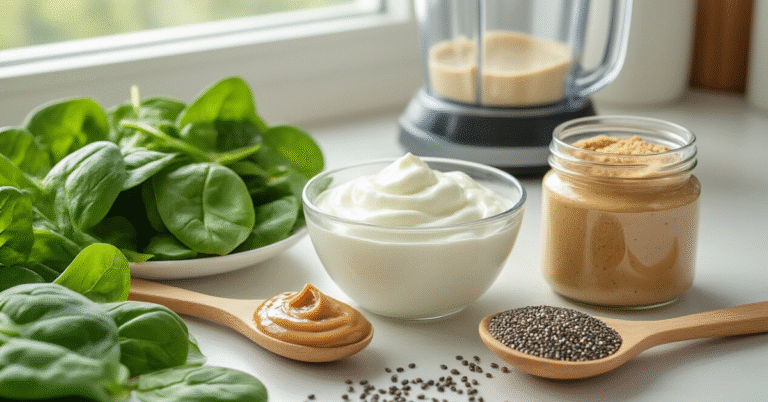
When you’re building protein smoothies for weight loss, plant-based options deliver incredible nutritional
value without the heaviness that can weigh down your morning routine. Hemp seeds are your secret
weapon here – they pack 10 grams of complete protein per 3 tablespoons and virtually disappear into
any smoothie blend. You’ll never taste them, but your body will thank you for the omega-3s and
magnesium.
Pea protein powder stands out as one of the most digestible options available. Unlike some plant
proteins that can leave you feeling bloated, pea protein mixes smoothly and provides all essential amino
acids your muscles need. Start with one scoop (about 20-25 grams) and adjust based on your daily
protein goals.
Chia seeds work double duty in your weight loss smoothie recipes – they thicken your drink naturally
while adding 4 grams of protein per 2 tablespoons. Soak them for 15 minutes before blending for the
creamiest texture. Silken tofu might sound unusual, but half a cup adds 10 grams of protein and creates
an incredibly smooth, milkshake-like consistency that rivals any dairy-based smoothie.
High-quality dairy and whey options
Greek yogurt transforms your balanced smoothie for weight loss into a creamy, satisfying meal
replacement. Choose plain, non-fat varieties to get 15-20 grams of protein per half cup without added
sugars sabotaging your goals. The probiotics support gut health, which plays a crucial role in weight
management.
Whey protein isolate remains the gold standard for rapid absorption and muscle preservation during
weight loss. Your body can utilize whey protein within 30 minutes of consumption, making it perfect for
post-workout recovery smoothies. Look for brands with minimal ingredients – you want protein, not a
chemistry experiment.
Cottage cheese might surprise you, but a quarter cup blended into your smoothie adds 7 grams of
casein protein. This slow-digesting protein keeps you satisfied longer between meals, preventing those
mid-morning snack attacks that derail your progress.
| Protein Source | Protein per Serving | Best For | Texture Impact |
|---|---|---|---|
| Greek Yogurt (½ cup) | 15-20g | Breakfast smoothies | Creamy, thick |
| Whey Isolate (1 scoop) | 25-30g | Post-workout | Light, smooth |
| Cottage Cheese (¼ cup) | 7g | Evening smoothies | Rich, creamy |
Complete amino acid profiles for muscle preservation
Your body needs all nine essential amino acids to maintain muscle mass while losing weight, and
choosing the right protein sources makes this happen automatically. Animal-based proteins like whey
and Greek yogurt naturally provide complete amino acid profiles, but you can achieve the same results
with smart plant protein combinations.
Quinoa flour adds a nutty flavor while delivering all essential amino acids – something rare in the plant
kingdom. Use 2 tablespoons per smoothie for 4 grams of complete protein. Combine hemp hearts with
spirulina powder for a powerhouse amino acid boost that supports both muscle preservation and
metabolic function.
The leucine content in your protein choice matters most for muscle maintenance. Whey protein leads
with 2.5 grams of leucine per scoop, while plant combinations need careful planning. Mix pea protein
with pumpkin seed protein to create a leucine-rich blend that rivals dairy options.
Portion control guidelines for maximum benefit
Your protein intake timing and portions directly impact your weight loss success. Aim for 20-30 grams of
protein per smoothie – enough to trigger muscle protein synthesis without overwhelming your digestive
system. This translates to one scoop of protein powder plus a half cup of Greek yogurt, or two scoops of
plant protein if that’s your preference.
Space your protein smoothies 3-4 hours apart from other protein-rich meals to optimize absorption. Your
body can only process about 25-30 grams of protein at once for muscle building, so more isn’t always
better.
Start with smaller portions if you’re new to high-protein smoothies. Begin with 15 grams per smoothie for
the first week, then gradually increase to avoid digestive discomfort. Your metabolism will adapt, and
you’ll notice improved satiety and energy levels as your body adjusts to this new fuel source.
Track your total daily protein intake – multiply your body weight in pounds by 0.8-1.2 to find your
minimum needs. If you weigh 150 pounds, aim for 120-180 grams of protein daily, with your morning
smoothie contributing about 20% of this total.
Interested in trying the Smoothie Diet?
Join our FREE 5-Day Smoothie Challenge — 5 days with 5 delicious recipes, real results.
Smart Carbohydrate Selection for Sustained Energy
Low-glycemic fruits that satisfy sweet cravings
Your smoothie needs that perfect touch of natural sweetness, but not all fruits are created equal when it
comes to weight loss smoothie recipes. Berries are your absolute best friends here. Blueberries,
strawberries, raspberries, and blackberries pack incredible flavor while keeping your blood sugar stable.
They’re loaded with antioxidants and fiber that help you feel full longer.
Green apples with their skin on give you that satisfying crunch factor and natural sweetness without
sending your glucose levels through the roof. Pears work similarly, providing natural sugars that release
slowly into your bloodstream. If you’re craving tropical flavors, reach for small portions of kiwi or a
handful of cherries – both offer that exotic taste while maintaining steady energy levels.
Here’s your go-to low-glycemic fruit guide:
| Fruit | Glycemic Index | Best Portion Size |
|---|---|---|
| Strawberries | 25 | 1 cup |
| Blueberries | 28 | 3/4 cup |
| Raspberries | 32 | 1 cup |
| Green Apple | 33 | 1/2 medium |
| Pear | 33 | 1/2 medium |
| Cherries | 37 | 1/2 cup |
Skip the high-sugar fruits like bananas, mangoes, and pineapples if weight loss is your primary goal.
These fruits can spike your insulin levels and leave you hungry again within an hour.
Fiber-rich vegetables that add volume without calories
Vegetables in your balanced smoothie for weight loss might sound weird, but they’re game-changers for
creating filling, nutritious drinks that actually help you lose weight. Spinach and kale are your starter
vegetables – they blend completely smooth and you won’t even taste them when paired with the right
fruits.
Cucumber adds incredible volume and hydration to your smoothie while contributing virtually zero
calories. Half a cucumber can double your smoothie size without adding more than 15 calories. Celery
works the same magic, bringing that fresh, clean taste that pairs beautifully with green apples.
Cauliflower might surprise you, but frozen cauliflower florets create an incredibly creamy texture similar
to banana while keeping carbs low. Start with just 1/4 cup if you’re new to vegetable smoothies.
Your veggie smoothie arsenal:
- Leafy greens: 2-3 cups spinach or 1-2 cups kale
- Cucumber: 1/2 to 1 whole cucumber, peeled
- Celery: 2-3 stalks for that fresh crunch
- Cauliflower: 1/4 to 1/2 cup frozen florets
- Zucchini: 1/4 cup for extra creaminess
These vegetables boost your smoothie’s fiber content dramatically, helping you stay full for hours while
supporting healthy digestion. The high water content also helps with hydration and creates that satisfying
“full” feeling without the calories.
Complex carbs that prevent blood sugar spikes
Your body needs sustained energy, and that’s where smart complex carbohydrate choices make all the
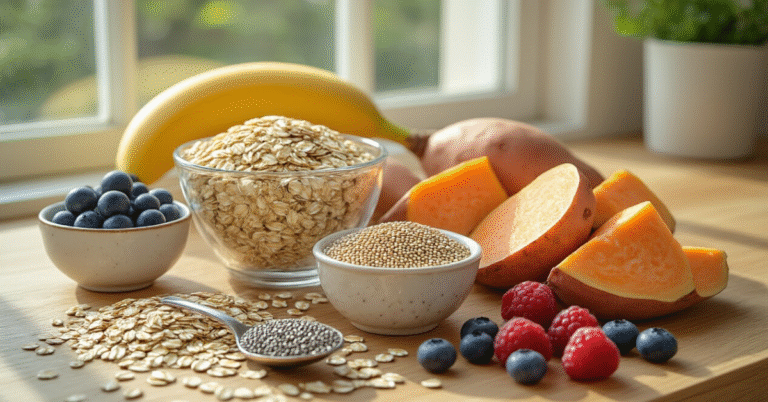
difference in your healthy smoothie ingredients strategy. Rolled oats are your secret weapon – just 1/4
cup adds creamy thickness, keeps you full for hours, and provides steady energy release. They blend
completely smooth when soaked for a few minutes first.
Chia seeds bring both complex carbs and omega-3 fatty acids to your smoothie. These tiny
powerhouses expand in liquid, creating a thick, satisfying texture while providing slow-burning energy.
Two tablespoons give you sustained fuel without the crash.
Sweet potato might sound unusual, but 1/4 cup of cooked, cooled sweet potato creates amazing
creaminess while delivering complex carbohydrates that your body processes slowly. It pairs surprisingly
well with cinnamon and vanilla flavors.
Smart complex carb portions:
- Rolled oats: 1/4 cup (soak for 5 minutes first)
- Chia seeds: 1-2 tablespoons
- Flax seeds: 1 tablespoon ground
- Sweet potato: 1/4 cup cooked and cooled
- Steel-cut oats: 2 tablespoons (pre-cooked)
These complex carbohydrates work differently than simple sugars. They take energy to digest, keep your
metabolism active, and prevent those mid-morning energy crashes that lead to poor food choices. When
you combine them with protein and healthy fats, you create a metabolism boosting smoothie that
supports your weight loss goals while keeping you energized throughout your day.
Metabolism-Boosting Add-Ins and Superfoods
Thermogenic Spices that Increase Calorie Burn
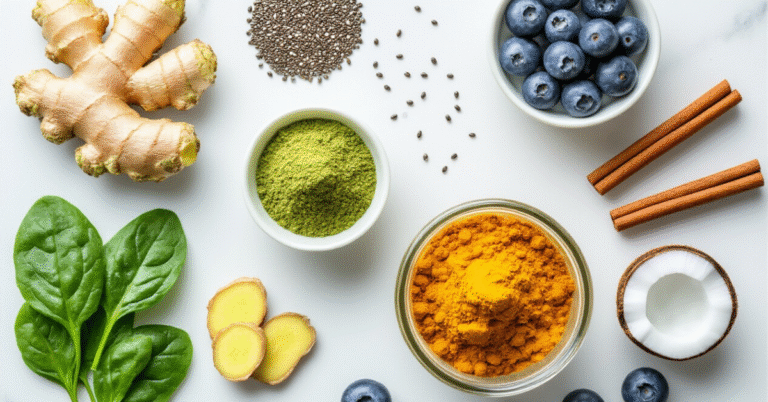
Your smoothie can become a metabolism-boosting powerhouse with the right spices. Cinnamon stands
out as a game-changer for weight loss smoothie recipes, helping regulate blood sugar levels while
adding natural sweetness without extra calories. Add half a teaspoon to your morning blend and watch
your body work harder to process it.
Ginger brings serious heat to your metabolism boosting smoothies. This fiery root increases
thermogenesis, meaning your body burns more calories just digesting it. Fresh ginger works best – about
a half-inch piece will give you that metabolic kick without overwhelming your taste buds.
Cayenne pepper might sound intense for a smoothie, but a tiny pinch (seriously, start small) can rev up
your calorie burn for hours after drinking. The capsaicin compound literally heats up your internal
furnace.
Turmeric deserves a spot in your smoothie arsenal too. This golden spice fights inflammation that can
slow down weight loss while supporting healthy metabolism. Pair it with a crack of black pepper to boost
absorption by 2000%.
Antioxidant-Rich Ingredients for Cellular Health
Your cells need protection from oxidative stress, especially when you’re pushing your body through
weight loss. Berries pack the biggest antioxidant punch in your healthy smoothie ingredients lineup.
Blueberries, raspberries, and blackberries deliver anthocyanins that fight inflammation and support fat
burning.
Spinach and kale might seem boring, but they’re antioxidant superstars hiding in plain sight. These leafy
greens make your green smoothie weight loss plan more effective by providing vitamins C and E, plus
beta-carotene. Your body uses these nutrients to repair cellular damage from exercise and stress.
Pomegranate seeds or juice add tartness while delivering punicalagins – antioxidants that specifically
target belly fat. Acai powder, though pricier, brings one of the highest antioxidant scores on the planet.
Even a tablespoon transforms your smoothie into a cellular repair machine.
Don’t overlook green tea powder (matcha). It combines caffeine’s metabolism boost with catechins that
help your body preferentially burn fat for energy. Your morning smoothie becomes both energizing and
fat-burning.
Digestive Enzymes and Probiotics for Gut Optimization
Your gut health directly impacts weight loss success, making probiotics essential for your balanced
smoothie for weight loss. Greek yogurt provides live cultures that populate your digestive system with
beneficial bacteria. Choose plain varieties to avoid hidden sugars that sabotage your progress.
Kefir takes probiotic power even further, containing up to 60 different bacterial strains compared to
yogurt’s handful. This fermented drink creates the perfect creamy base while supporting the gut bacteria
that regulate metabolism and hunger hormones.
Digestive enzymes help your body break down nutrients more efficiently. Pineapple contains bromelain,
while papaya provides papain – both natural enzymes that improve protein digestion. This means better
absorption of all those metabolism boosting smoothies ingredients you’re adding.
Consider adding a scoop of prebiotic fiber powder to feed your good gut bacteria. These plant fibers
become food for probiotics, helping them thrive and multiply. Your digestive system works more
efficiently, reducing bloating and supporting steady weight loss.
Natural Sweeteners that Won’t Sabotage Progress
Your taste buds crave sweetness, but refined sugar derails weight loss goals faster than anything else.
Stevia becomes your best friend – this plant-based sweetener provides intense sweetness without
calories or blood sugar spikes. Start with just a few drops since it’s incredibly potent.
Dates offer natural sweetness plus fiber that slows sugar absorption. Two or three Medjool dates blend
beautifully while providing potassium and antioxidants. They work especially well in chocolate-flavored
protein smoothies weight loss blends.
Monk fruit sweetener gives you sugar-like sweetness without the metabolic chaos. Unlike artificial
sweeteners that might trigger cravings, monk fruit satisfies your sweet tooth naturally. You can use it
cup-for-cup like sugar in your low calorie smoothie recipes.
Fresh or frozen fruit provides the most satisfying sweetness because it comes packaged with fiber,
water, and nutrients. Bananas create creamy texture while apples add natural pectin that helps you feel
fuller longer. Your smoothie diet plan works better when natural fruit sweetness keeps you satisfied
between meals.
Timing and Frequency Strategies for Maximum
Results
Pre-workout smoothies for enhanced fat burning
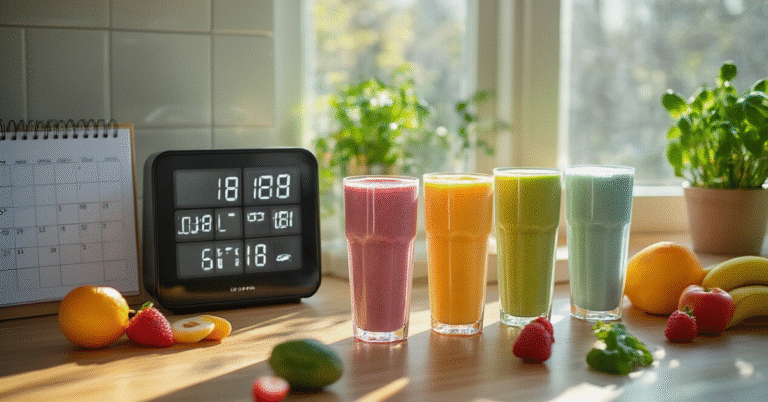
Your pre-workout smoothie timing can make or break your fat-burning goals. Drink your weight loss
smoothie recipes 30-45 minutes before exercise to give your body enough time to digest and convert
nutrients into usable energy. This window allows your blood sugar to stabilize while providing sustained
fuel for your workout.
Focus on a balanced smoothie for weight loss that contains easily digestible carbs paired with a
moderate amount of protein. A blend with banana, spinach, and a scoop of protein powder creates the
perfect pre-exercise fuel. The natural sugars provide immediate energy while the protein smoothies
weight loss component helps preserve muscle mass during cardio sessions.
Skip heavy fats before workouts as they slow digestion. Instead, add a tablespoon of coconut oil or
almond butter only if your workout is particularly intense or long. Your pre-workout smoothie should clock
in around 150-200 calories to avoid feeling sluggish while still providing adequate energy.
Post-workout recovery blends for muscle building
The 30-minute window after your workout is golden for recovery. Your muscles are primed to absorb
nutrients, making this the perfect time for a protein smoothies weight loss blend that supports both
recovery and your weight goals.
Your post-workout smoothie needs more protein than your pre-workout version – aim for 20-25 grams.
Greek yogurt, protein powder, or silken tofu work brilliantly here. Add quick-digesting carbs like berries or
dates to replenish glycogen stores and support muscle repair.
Include healthy smoothie ingredients that fight inflammation, such as tart cherry juice, turmeric, or ginger.
These additions help reduce muscle soreness while supporting your body’s natural recovery processes.
Keep this smoothie between 250-300 calories to support muscle building without derailing your weight
loss efforts.
Meal replacement guidelines and calorie targets
When using smoothies as meal replacements, your calorie targets should align with your overall daily
goals. A weight loss breakfast smoothie replacing your morning meal should contain 300-400 calories,while lunch replacements can range from 350-450 calories.
Your meal replacement smoothie must include all three macronutrients. Start with 20-25 grams of
protein, add 30-40 grams of complex carbs from fruits and vegetables, and include 10-15 grams of
healthy fats from nuts, seeds, or avocado. This combination keeps you satisfied for 3-4 hours.
Don’t replace more than one meal daily with smoothies. Your body needs variety and the mechanical
process of chewing solid foods for optimal digestion and satiety hormones. Stick to replacing breakfast
or lunch, but keep dinner as a solid meal.
| Meal Replacement | Calories | Protein (g) | Carbs (g) | Fat (g) |
|---|---|---|---|---|
| Breakfast | 300-400 | 20-25 | 30-40 | 10-15 |
| Lunch | 350-450 | 25-30 | 35-45 | 12-18 |
Strategic snacking to prevent overeating
Your snack smoothies should be smaller, strategic versions that bridge the gap between meals. These
low calorie smoothie recipes work best when consumed 2-3 hours after a meal and 1-2 hours before
your next one.
Keep snack smoothies under 200 calories and protein-focused to curb cravings. A simple blend of
unsweetened almond milk, protein powder, and frozen berries hits the sweet spot. This combination
provides sustained energy without spiking your blood sugar.
Time your snack smoothies based on your hunger patterns. If you typically crash around 3 PM, have
your metabolism boosting smoothies ready at 2:30 PM. This proactive approach prevents the desperate
hunger that leads to poor food choices.
Your green smoothie weight loss versions work particularly well as afternoon snacks. The fiber from
leafy greens slows digestion, while natural sugars from fruits provide gentle energy. Add a handful of
spinach or kale to any fruit combination for an extra nutrient boost without compromising taste.
Remember that consistency trumps perfection. Find a timing pattern that fits your lifestyle and stick with
it. Your body will adapt to this routine, making hunger management much easier over time.
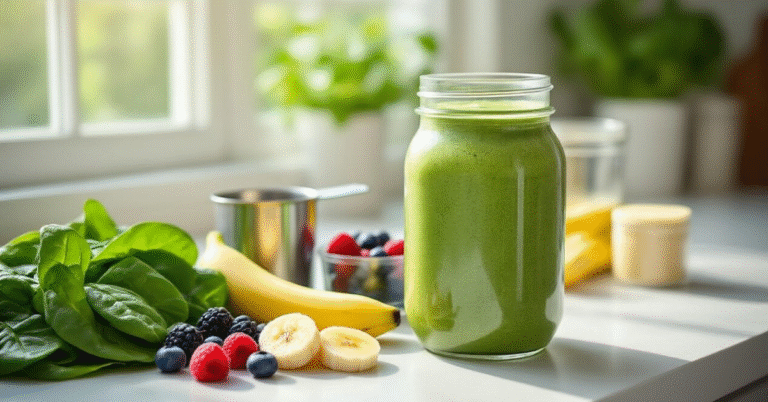
Creating your perfect weight loss smoothie comes down to mastering the balance of protein, smart
carbs, and metabolism-boosting ingredients. When you combine these elements thoughtfully, you’re not
just making a drink – you’re crafting a powerful tool that supports your weight loss goals while keeping
your energy steady throughout the day. The key is choosing ingredients that work together to fuel your
body properly rather than leaving you hungry an hour later.
Your timing and consistency matter just as much as what goes into your blender. Start experimenting
with different protein sources, add those superfoods that excite your taste buds, and pay attention to how
your body responds. Remember, the best smoothie is the one you’ll actually look forward to drinking
every day. Take what you’ve learned here and begin building your go-to recipe – your future self will
thank you for taking this simple but effective step toward your health goals.